

Real advice from a local mobile mechanic in Limerick
Most cars in Ireland don’t suddenly “break”.
They slowly absorb moisture, age, clog up and wear down — quietly, over months or years.
That’s why, as a mobile mechanic in Limerick, I hear the same sentence again and again: “The car was basically fine.” And most of the time, the driver isn’t lying. The car does feel fine — until it doesn’t.
Below are five very common, very Irish problems I regularly see while providing mobile car service across Limerick and nearby towns.
More importantly, I’ll explain:
They slowly absorb moisture, age, clog up and wear down — quietly, over months or years.
That’s why, as a mobile mechanic in Limerick, I hear the same sentence again and again: “The car was basically fine.” And most of the time, the driver isn’t lying. The car does feel fine — until it doesn’t.
Below are five very common, very Irish problems I regularly see while providing mobile car service across Limerick and nearby towns.
More importantly, I’ll explain:
- what’s really happening
- what you can safely do yourself
- when it’s time to call a mechanic
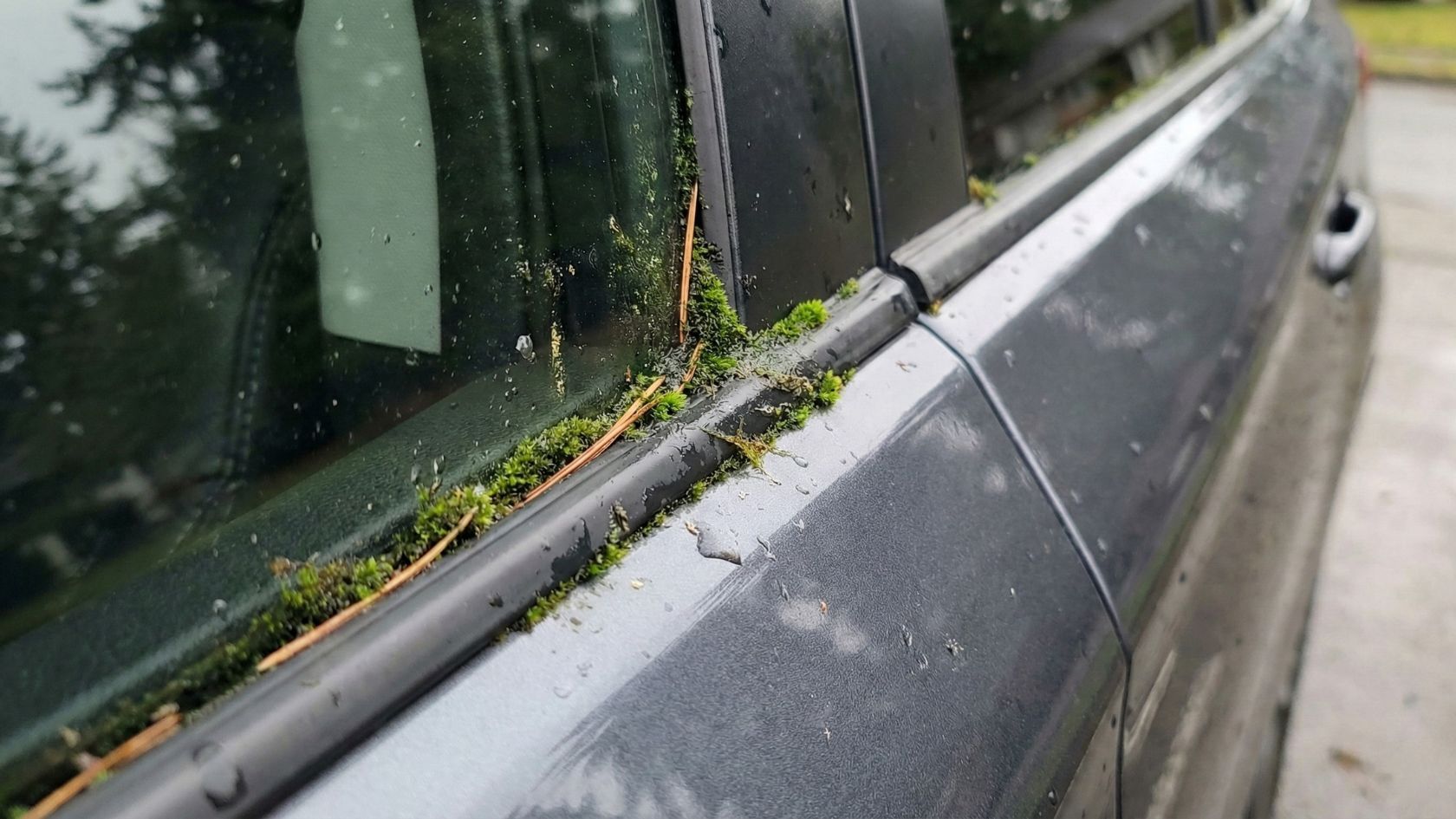
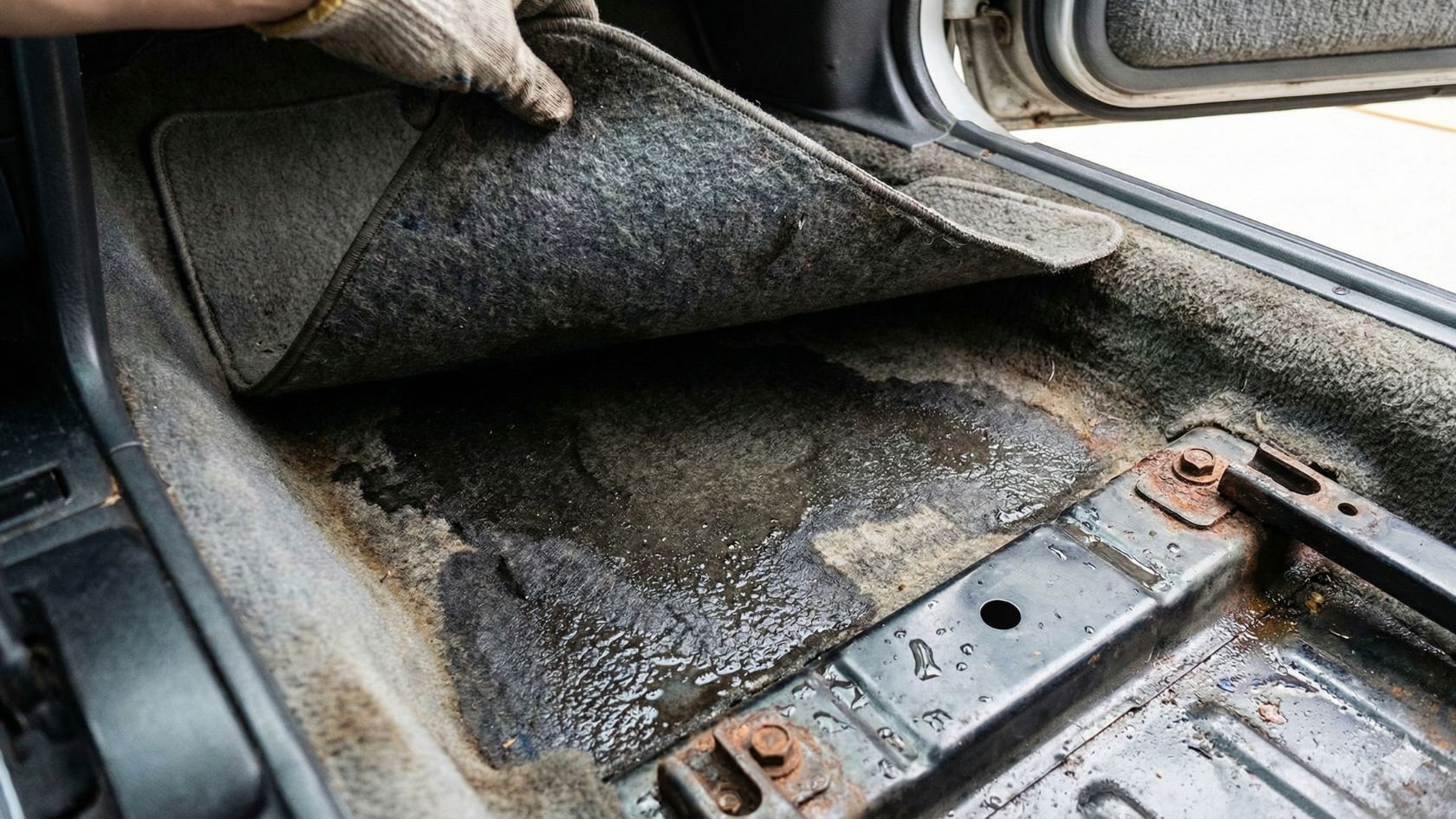
1. Water gets inside your car - even when nothing is leaking
What’s really happening
Modern cars are not fully sealed. They rely on drainage channels around:
These drains are designed to let water pass through the car, not keep it out. In Ireland, constant rain, humidity, leaves and moss slowly block these channels. Water then travels inside pillars and under carpets, not onto visible surfaces.
This is why drivers say: “There’s no leak, but something feels off.”
✔ What you can safely do yourself
These steps actually fix early-stage problems, not just identify them:
If it doesn’t:
Then:
👉 This alone resolves many early water-related electrical issues.
🚗 When to call a mechanic
At this stage, water may already be affecting wiring or control modules.
Modern cars are not fully sealed. They rely on drainage channels around:
- the windscreen
- doors
- sunroof (if fitted)
These drains are designed to let water pass through the car, not keep it out. In Ireland, constant rain, humidity, leaves and moss slowly block these channels. Water then travels inside pillars and under carpets, not onto visible surfaces.
This is why drivers say: “There’s no leak, but something feels off.”
✔ What you can safely do yourself
These steps actually fix early-stage problems, not just identify them:
- Park the car on a slight slope (front higher if possible).
- Slowly pour water along: the base of the windscreen and door corners
- Look underneath — water should drip freely.
If it doesn’t:
- Gently clear visible debris with fingers or a plastic zip-tie
- Never use metal wire or compressed air
Then:
- Leave doors open on a dry day for 20–30 minutes
- Run cabin heating for 10 minutes to help dry moisture
👉 This alone resolves many early water-related electrical issues.
🚗 When to call a mechanic
- Damp smell doesn’t disappear
- Carpets stay wet
- Windows, locks or lights behave strangely
At this stage, water may already be affecting wiring or control modules.
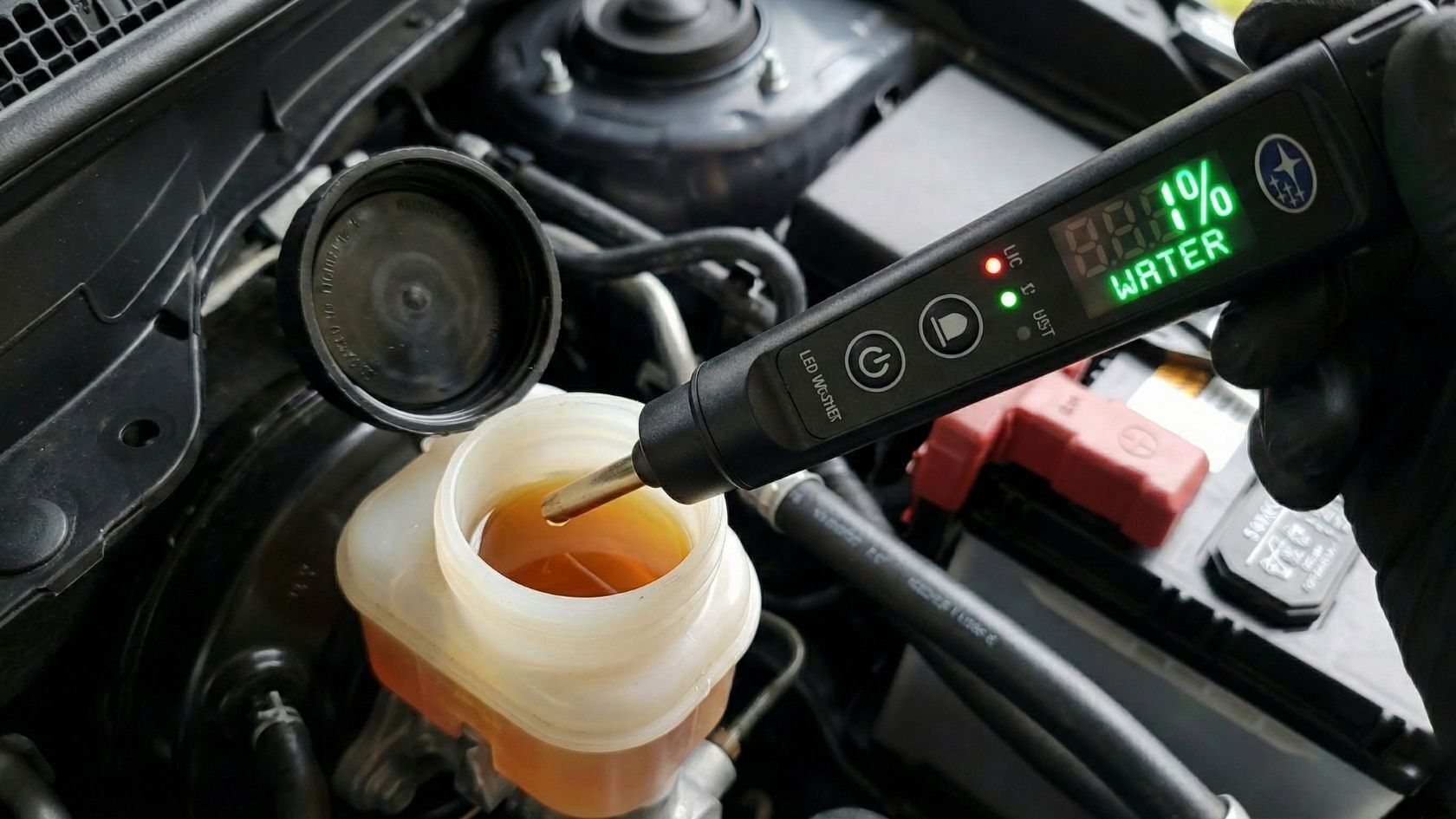
2. Brake fluid absorbs moisture - silently and invisibly
What’s really happening
Brake fluid is hygroscopic — it absorbs moisture from the air. In Ireland’s humid climate, this happens faster than many drivers expect.
As moisture increases:
There is no warning light for this.
✔ What you can safely do yourself
You can’t remove moisture without tools — but you can prevent danger:
👉 Recognising timing early prevents a safety issue later.
🚗 When to call a mechanic
Brake fluid replacement is quick, affordable and critical for safety.
Brake fluid is hygroscopic — it absorbs moisture from the air. In Ireland’s humid climate, this happens faster than many drivers expect.
As moisture increases:
- braking efficiency drops
- pedal feel becomes inconsistent
- under hard braking, braking power can suddenly reduce
There is no warning light for this.
✔ What you can safely do yourself
You can’t remove moisture without tools — but you can prevent danger:
- Check service history:
- If brake fluid wasn’t changed in 2 years, it’s overdue
- Press the brake pedal firmly while parked:
- It should feel solid and consistent
👉 Recognising timing early prevents a safety issue later.
🚗 When to call a mechanic
- Brake fluid older than 2 years
- Soft or uneven pedal feel
- Before NCT or long motorway driving
Brake fluid replacement is quick, affordable and critical for safety.
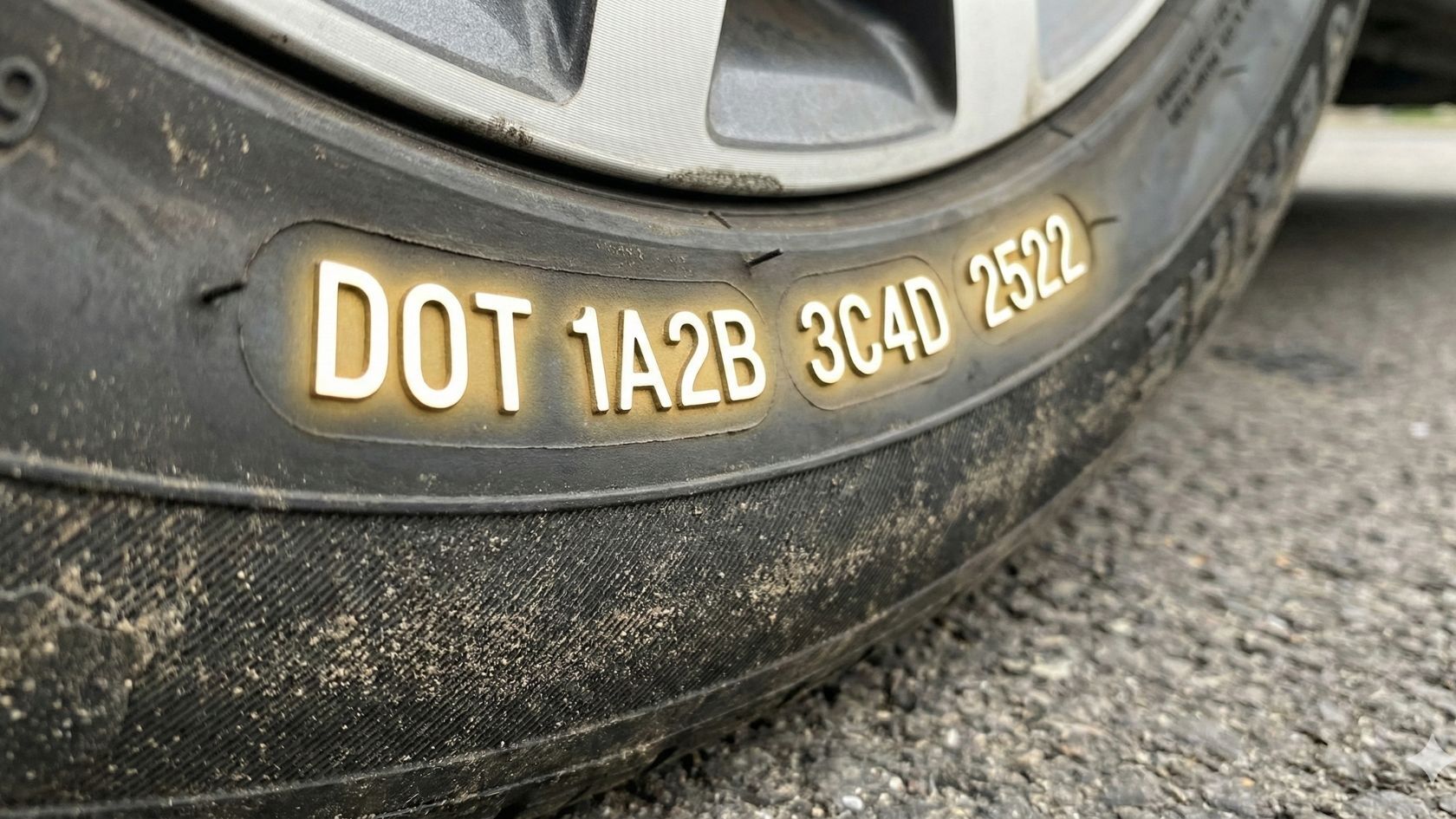
3. Tyres can look perfect - and still be dangerous
What’s really happening
Tyres don’t just wear out — they age.
In Ireland, many tyres:
✔ What you can safely do yourself
Rules of thumb:
You can also:
👉 Spare wheels are often the oldest and most dangerous tyre on the car.
🚗 When to call a mechanic:
Tyres don’t just wear out — they age.
In Ireland, many tyres:
- sit unused for long periods
- harden due to moisture and mild temperatures
- lose wet grip long before tread disappears
✔ What you can safely do yourself
- Find the DOT code on the tyre sidewall
- Read the last four digits: Example: 2319 = week 23 of 2019
Rules of thumb:
- Over 6 years old → grip noticeably reduced
- Over 10 years old → unsafe
You can also:
- Inflate tyres to manufacturer pressure
- This slightly improves stability until replacement
👉 Spare wheels are often the oldest and most dangerous tyre on the car.
🚗 When to call a mechanic:
- Cracks in sidewalls
- Regular slipping in wet conditions
- Preparing for NCT
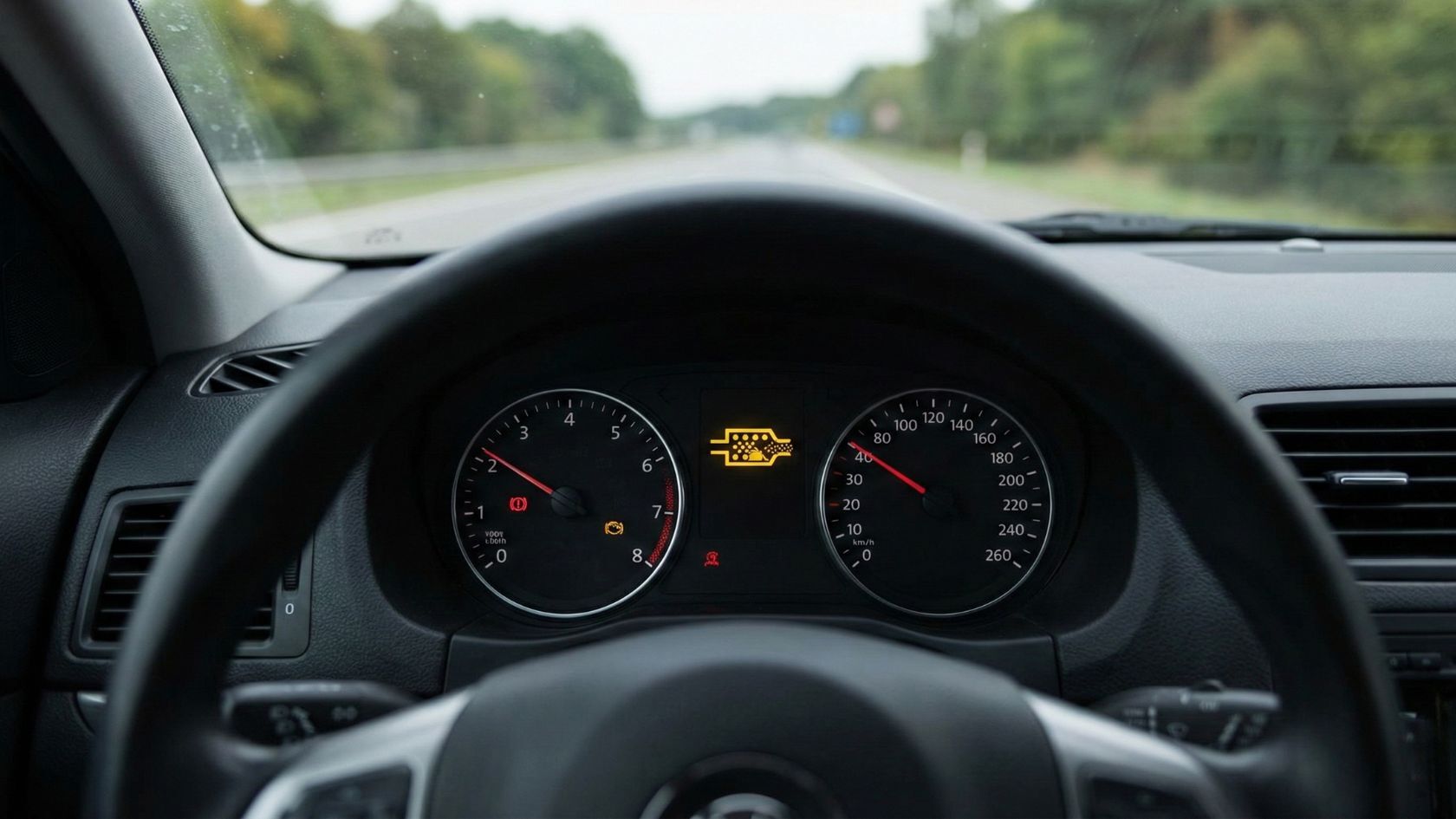
4. Diesel cars and short trips quietly destroy engines
What’s really happening
Modern diesel engines rely on high temperatures to clean their DPF (diesel particulate filter).
Short journeys:
This is extremely common in diesel cars in Ireland.
✔ What you can safely do yourself
Once every 1–2 weeks:
This allows the DPF to regenerate naturally.
👉 Many diesel problems disappear when this habit is introduced early.
🚗 When to call a mechanic
At this point, diagnostics or forced regeneration may be required.
Modern diesel engines rely on high temperatures to clean their DPF (diesel particulate filter).
Short journeys:
- interrupt regeneration
- allow soot to build up
- push fuel into engine oil
This is extremely common in diesel cars in Ireland.
✔ What you can safely do yourself
Once every 1–2 weeks:
- Drive for 20–30 minutes
- Keep revs around 2,500 RPM
- Avoid stop-start traffic
This allows the DPF to regenerate naturally.
👉 Many diesel problems disappear when this habit is introduced early.
🚗 When to call a mechanic
- Warning lights stay on
- Power feels reduced
- Oil level rises instead of dropping
At this point, diagnostics or forced regeneration may be required.
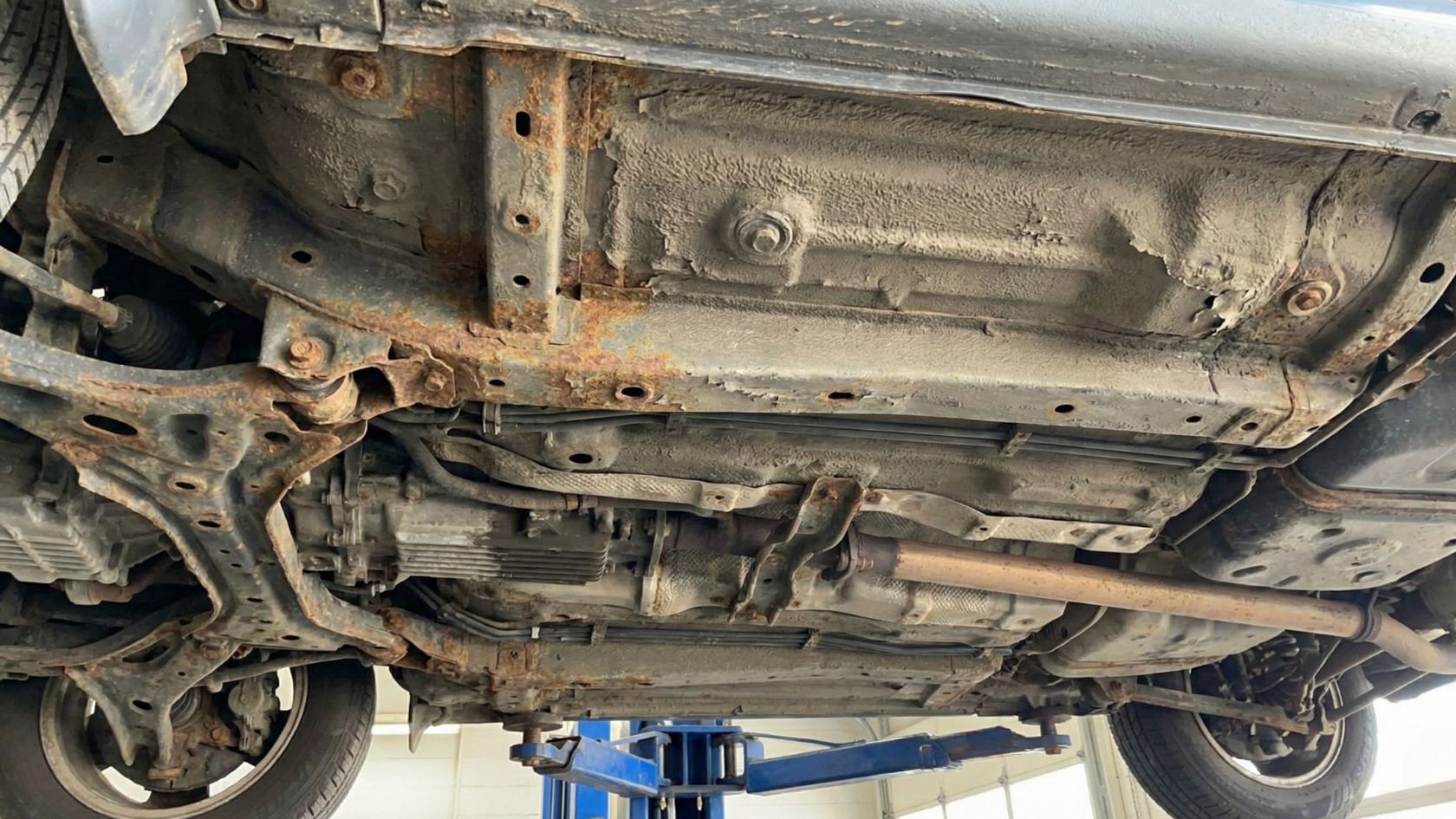
5. Dirt underneath your car causes hidden damage - and NCT issues
What’s really happening
Mud and debris trap:
Right against brake lines and suspension. In some cases, NCT inspectors may refuse to test a heavily soiled underbody.
✔ What you can safely do yourself
Do this:
👉 This significantly slows rust formation.
🚗 When to call a mechanic
Mud and debris trap:
- moisture
- road salt
- coastal air
Right against brake lines and suspension. In some cases, NCT inspectors may refuse to test a heavily soiled underbody.
✔ What you can safely do yourself
- Place a garden sprinkler under the car
- Run it for 10–15 minutes
- Focus on wheel arches and centre underside
Do this:
- after rural driving
- before NCT
- once every few winter months
👉 This significantly slows rust formation.
🚗 When to call a mechanic
- Visible corrosion
- Flaking metal
- NCT advisory or refusal
Final thought: “Basically fine” is often the most expensive stage
Most of these problems:
Until suddenly they are.
That’s why more drivers now choose mobile car service in Limerick — to catch issues early, without waiting weeks for a garage appointment.
Need a local mobile mechanic in Limerick?
If you’ve tried the simple steps above and something still doesn’t feel right, I can check it properly at your home or workplace.
👉 Book a mobile mechanic in Limerick
No upfront payment. I’ll call to confirm a time that suits you.
Found this useful?
Share it with:
Good advice travels fast — especially when it saves money and stress.
- don’t trigger warning lights
- don’t make noise
- don’t feel urgent
Until suddenly they are.
That’s why more drivers now choose mobile car service in Limerick — to catch issues early, without waiting weeks for a garage appointment.
Need a local mobile mechanic in Limerick?
If you’ve tried the simple steps above and something still doesn’t feel right, I can check it properly at your home or workplace.
👉 Book a mobile mechanic in Limerick
No upfront payment. I’ll call to confirm a time that suits you.
Found this useful?
Share it with:
- someone who always says “the car is grand”
- a friend before NCT
- anyone driving a diesel on short trips
Good advice travels fast — especially when it saves money and stress.